
Opening Doors by Opening Books
The ability to read is what opens doors and allows access to all other kinds of growth and knowledge. Literacy also leads to better social skills, expanded worldviews, and a willingness to critique inequality.
Knowing how to read and write are essential skills in today's society.
Consequences of Illiteracy
-

Unemployment & Low-Paying Jobs
If you are unable to fill out even applications or forms, it’s hard to find or keep a job.
-

Poor Health & Access to Care
Literacy helps you understand your health needs and options, and find care.
-

Higher Rates of Incarceration
About 70% of inmates in U.S. prisons can’t read above a fourth-grade level.
-

More Likely to Be on Welfare
Most welfare and SNAP recipients are school dropouts or have poor literacy levels.
-

Long-Term Social Struggles
It can lead to isolation, depression, falling victim to deception, and homelessness.
-

A Never-Ending Cycle
Illiterate parents can’t help their kids learn, and often prioritize work over learning.
The Literary Crisis
In 2022, it was found that only 33% of 4th graders in the United States are reading at a proficient level.
-
The National Assessment of Educational Progress has found that there has been a significant decline in the literacy in all but the top 10% of students. Since 2019, the percentage of children with below basic reading skills increased by 3%.
-
In a disturbing trend, the 2022 scores in reading are the lowest they have been since 2005. Though this is not a new problem; in fact, the 2022 scores showed little difference to the scores from 1992.
-
Teachers are urged to accelerate learning to help make up lost ground. But 70% of teachers need to use remedial measures. In 2022, 1 in 3 students had teachers perorating covering previous year’s material and remedial instruction almost every day.
Jordan Downs and the Struggle for Literacy
〰️
Jordan Downs and the Struggle for Literacy 〰️

At the local elementary school in Jordan Downs, only 7.5% of students were reading at a proficient level in the 2021-2022 school year.
Almost half of the adults in Watts don't have a high school diploma or GED. It also has a higher unemployment rate than the rest of LA.

Belonging and Equity are Connected
The social stigma of illiteracy can lead to a sense of not belonging. And that feeling of isolation has similar effects to actual hunger on children, which can lead to its own problems. The only way to make education truly equitable is to show everyone that they do belong.

Education Inequality:
A Tougher Road
Education inequality is when academic resources are not offered evenly amongst schools nation-wide and beyond. This is especially found in disadvantaged communities, like Jordan Downs.
Each child can succeed. But that path to success is not the same for each child, and many walk a more difficult road than their peers.
Needs Aren’t Being Met
These communities often don’t have the resources to offer support for these children. Once a child has started to fall behind because of education inequality, it is incredibly hard for them to catch back up, and they end up only slipping further behind.
We need to stop blaming children for their scholastic failures, and instead ask what needs aren’t being met by the system.

Who You Are: An Unfair Disadvantage
-
You Don't Decide How You're Born
No one has any control over the circumstances of their birth or their skin color.
-

Out of Proportion for People of Color
Education inequality disproportionately affects BIPOC by a wide margin.
-

Literal Years Behind their Peers
Black & Latino 4th graders are shown to be 2-3 years behind white peers in reading.
-

The Obvious Racial Gap in Literacy
Only 18% of black 8th graders score proficient, compared to 47% of white students.
-

BIPOC Students Are Seen as "Challenging"
Teachers can have biased ideas of how students will behave, and help less.


Many are without internet, a must for success in school these days
People of Color are twice as likely to be born into a life of poverty

Low income students are twice as likely to drop out of school than their peers
Poverty Closes Doors


Hungry kids have poor attention spans, and trouble with memory & focusing
Books can be hard to access without close or well funded libraries
Other Hurdles Kids May Face

-
Dyslexia makes it hard to learn to read - letters look like they’re moving. And ADHD makes it hard to focus and sit still. These and other learning disabilities can make school difficult.

-
Students with special needs, such as those with disabilities, can find themselves struggling with literacy as their needs can take more time and effort. They also may feel more isolated and discouraged.

-
Trauma is a problem because it can affect memory, cognition, attention, and abilities to organize and process information. It can also disrupt schooling and increase absences. This can make learning reading even harder.

Families May Struggle to Help
As students fall behind, people may look to the parents or family members to provide assistance. But that may not be possible for a number of reasons beyond the fact that they themselves aren’t usually trained in education.
Especially in Jordan Downs, when kids need help with schoolwork, parents and guardians may be busy working to make ends meet or caring for other children.
They may be non-native English speakers, or for some reason or another can’t read or write English well enough to help their child.
The child in question or their family may be struggling with homelessness, the foster system, frequent moves, or countless other things that could stop the adults in their life from being able to help.


The Pressure on Teachers
There’s only so much that can be done by teachers during the school day. And teachers often have their own hardships in the fight against illiteracy. When classroom sizes grow, teachers attentions are split more than ever. Teachers also frequently have to go beyond the time and supplies they’ve been provided. They also are often urged to accelerate learning, even if students aren’t ready.
Schools Aren’t Set Up for Success
-

Schools Are Funded by Property Taxes
Which often means poorer neighborhoods have worse schools.
-

Less Likely to Have Advanced Courses
Poorer schools may not even offer the science and math courses needed for college.
-

Less Appropriate Fits for the Teachers
Poorer schools often have to hire less skilled teachers, or outside of their expertise.
-
Larger Districts Spread Fewer Resources
Poor (often urban) districts spend 15.6% less per student than wealthier districts
-
"Hardened" but Not Helpful Schools
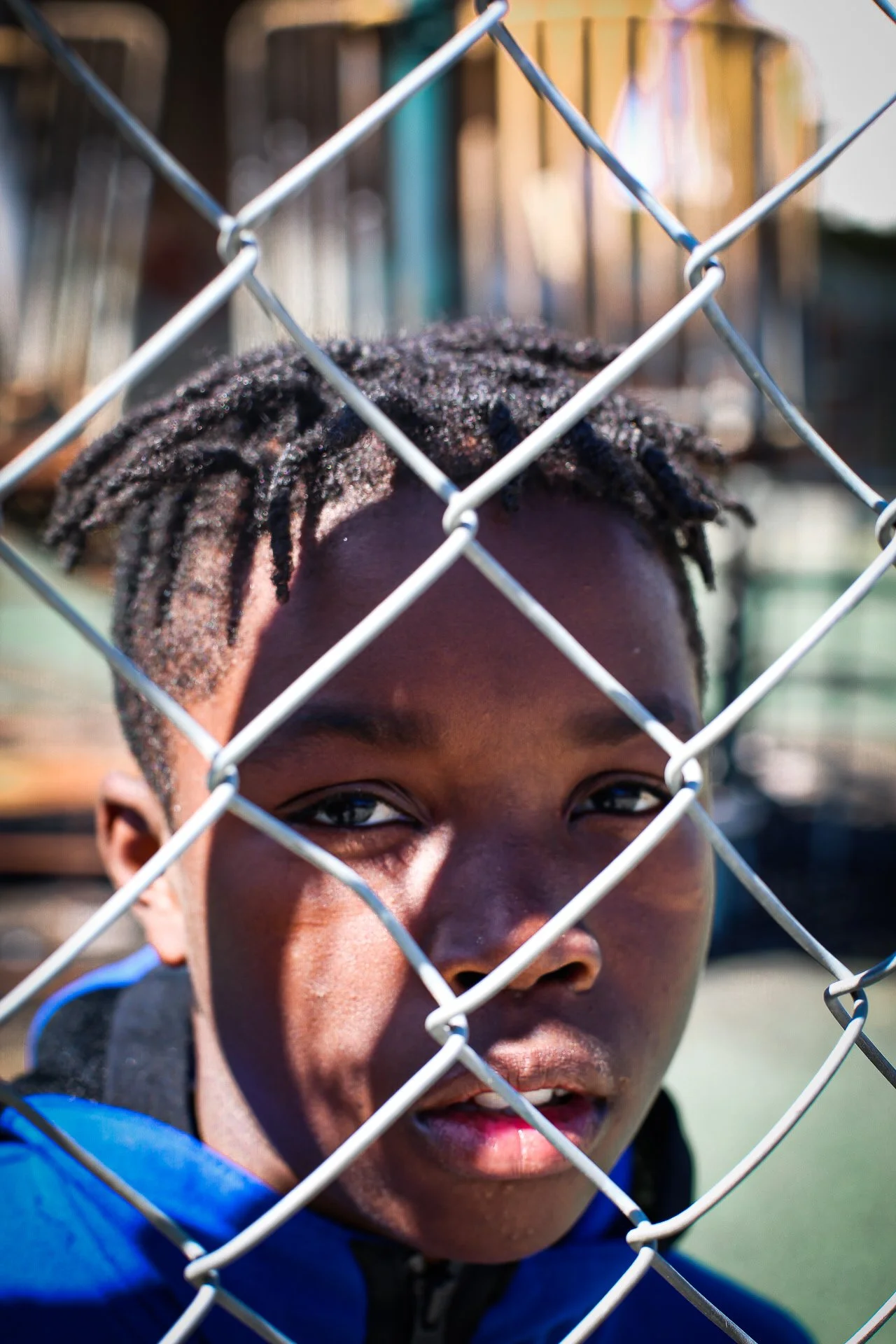
14 million kids are in schools with police but no counselors, nurses, or psychologists.
A Systemic Problem

-
From 1934 - 1968, redlining (discriminatory financial practices) meant that 98% of American home loans were given exclusively to white families. These families accrued wealth, which brought new business, and increased property taxes. This has left minority families in underfunded school districts and a lack of stores which limit access to affordable and nutritious food.
-
Two-thirds of minority students go to schools that are a predominantly minority-attended school. This is harmful to both students of color and white students, not only as it can be unequitable, but it can lead to a lack of understanding of people different from you.
-
It has long been shown that a majority of American textbooks are written from a Eurocentric viewpoint. The text heavily focuses on the “Western” world as protagonists, and gloss over instances that may be “uncomfortable.” This can leave students not seeing themselves in the text, and losing the sense of belonging needed for equitable schooling.
-
School Tracking and ability-grouping are practices where students are put on different academic paths based on their performance in school. The Department of Education has called the practice a new form of segregation, as it often keeps students placed in “lower” levels from ever achieving as the students in the “advanced” levels (usually white) do.

We can’t expect children to suddenly jump up to the level they should be at. We need to meet them where they are to meet their current needs.
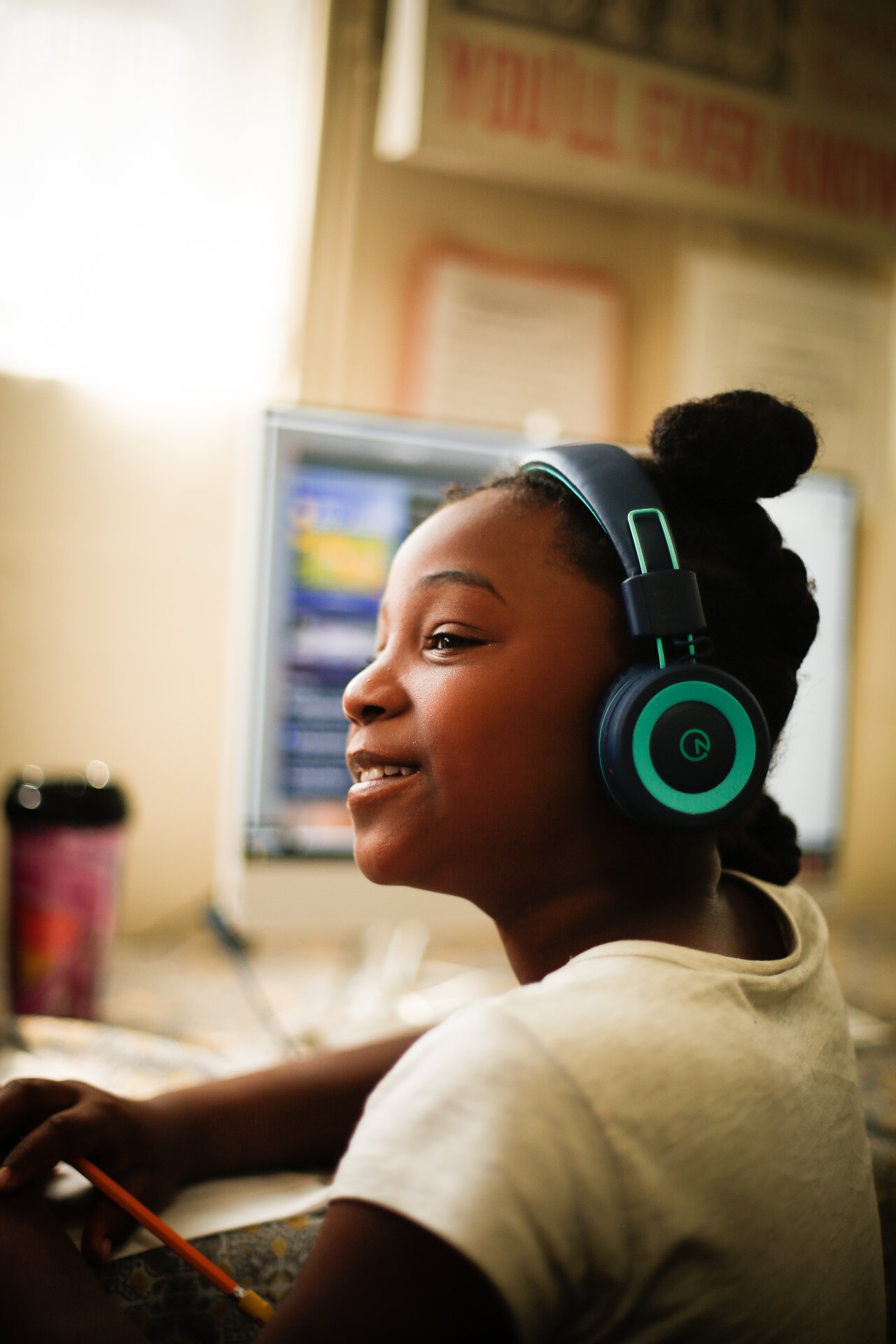
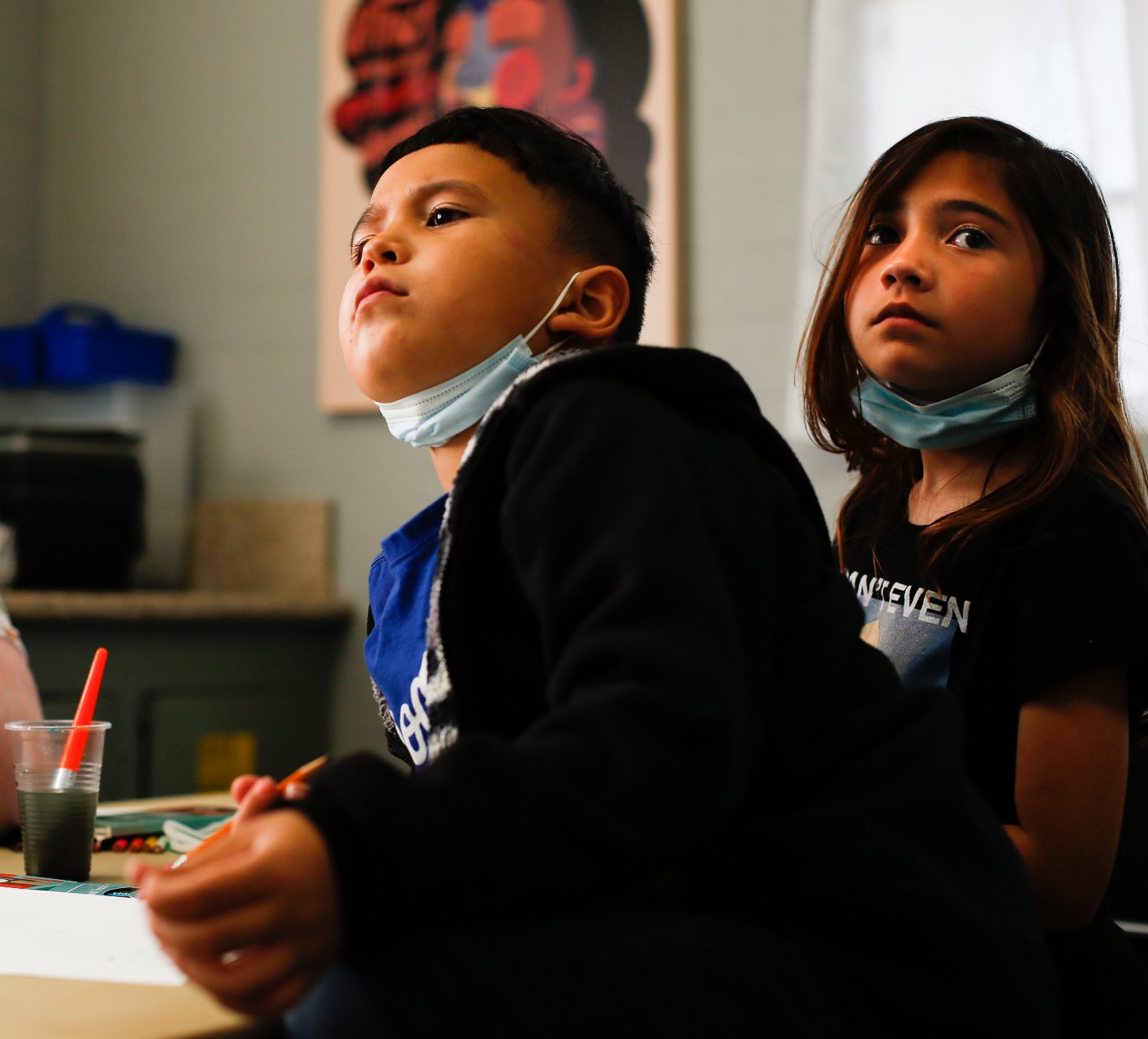
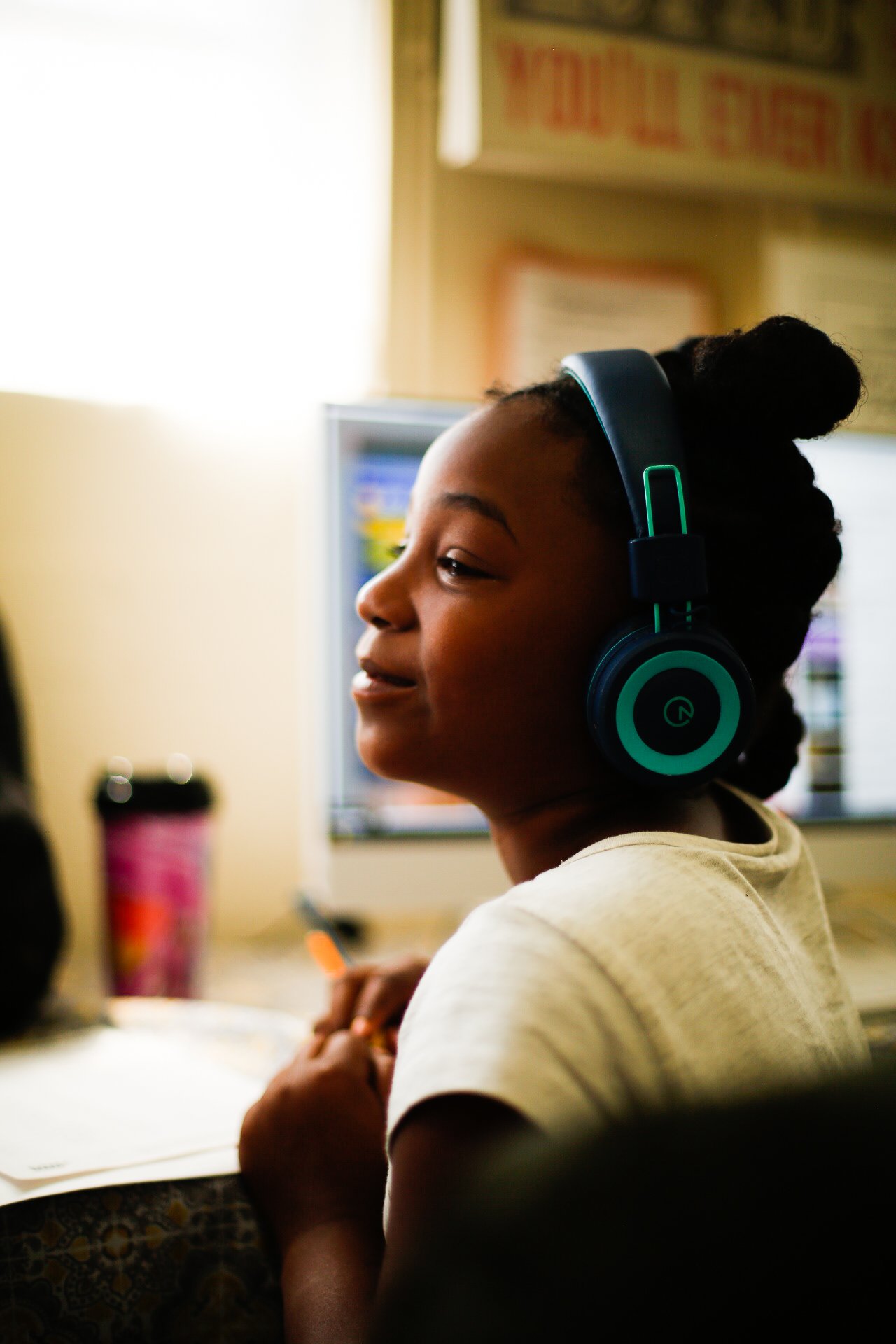
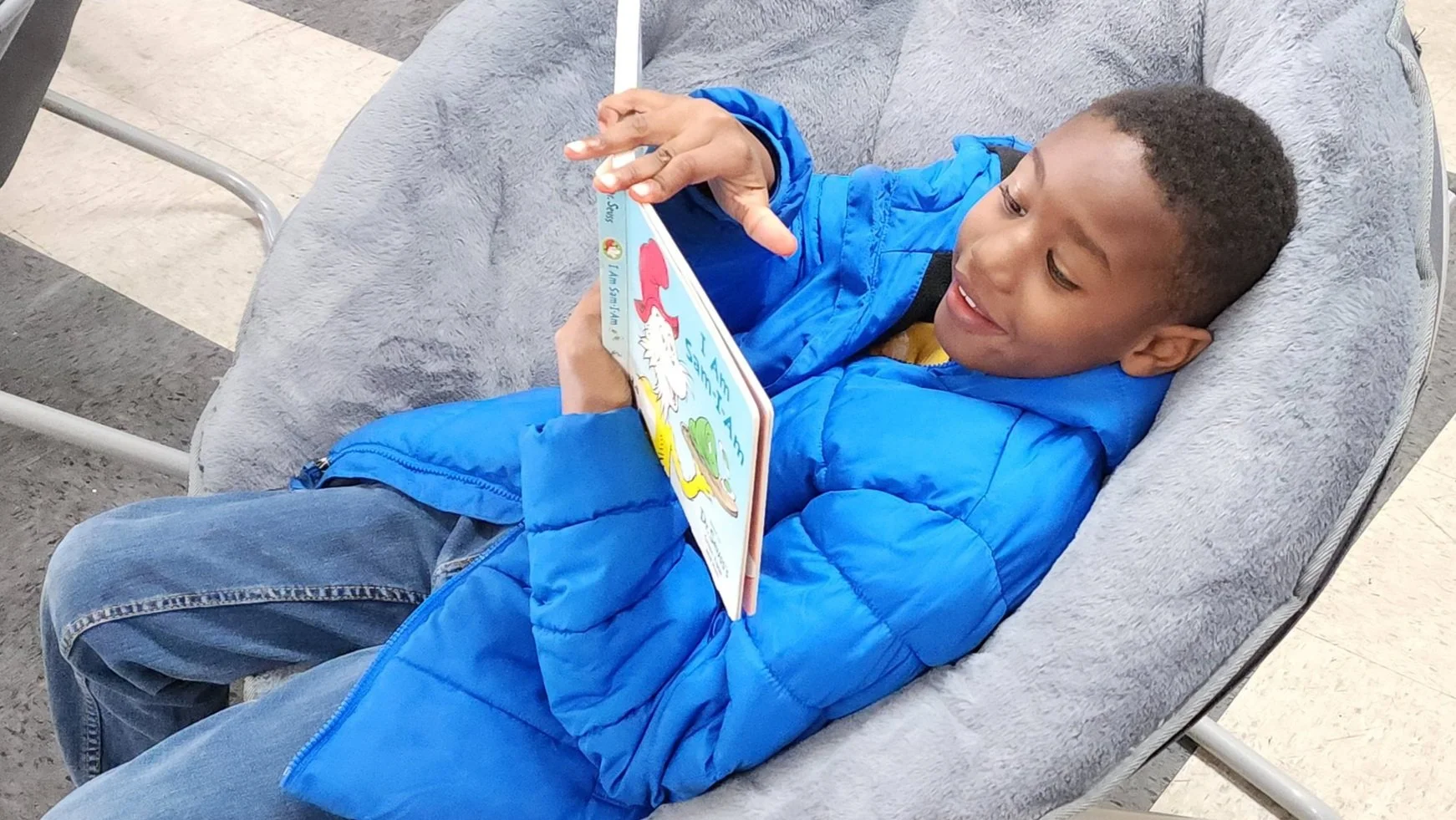
Children Mending Hearts does this in Jordan Downs through the ONE Academy. Weekday afternoons and Saturday mornings, elementary and middle school aged children are able to come to the Center and get individualized help based on their needs.
Our proven program works one-on-one with each student and tests their current ability. Once their level is assessed, they can choose from countless digital and physical books in that level that appeal to their unique interests. Once they are finished with a book, they are tested on their comprehension.
And even outside of our hours, we’re still helping. We have a large library kids can borrow from, loan tablets to them for reading, and frequently give away books.
How Are We Helping?
MEET THEM WHERE THEY ARE.
MEET THEM WHERE THEY ARE.






ONE Academy Stats
We first implemented the ONE Academy over the summer of 2022. In that first outing, we were already able to see incredible results:
Instead of falling, enrollment went up over 5%
100% of students saw literary improvement
35 students read over 600 books
91% of books read were on or above target



The Other Support We Offer
-

A Space of Empathy & Kindness
The Jordan Downs Center is a safe space to be for a traditionally dangerous community.
-

One on One Help for Their Needs
With our incredible staff and our team of volunteers, we are able to provide one on one attention if needed.
-

Food and Snacks Provided Daily
Most families in Jordan Downs rely on food stamps. We feed our kids & provide monthly boxes from the food bank.
-

Enriching Their Minds and Bodies
To truly help, we round out our educational services with activities to spark their creativity and more.
-

Endless Empathy and Compassion
With everything stacked against them, it’s easy for our kids to grow discouraged. We are here to lift them up.
